Remarkable UNESCO Sites Just Waiting to be Explored
Booking.com has curated a list of lesser-known UNESCO World Heritage Sites for travellers looking to explore cultural and natural landmarks beyond the crowds. Discover destinations in Albania, Laos, the United States, Uruguay and South Korea, plus where to stay nearby.
From ancient cities to extraordinary natural landscapes, UNESCO World Heritage Sites offer a window into the world’s deep historical past. Chosen by the United Nations Educational, Scientific and Cultural Organization for their outstanding universal value and remarkable cultural or natural beauty, there are 1,273 sites around the world. While millions of people flock to the best-known examples every year, there is also a wealth of lesser-known places waiting to be explored, away from the crowds and queues. With nearly a third (29%*) of travelers interested in taking a cultural holiday in 2026, appetite for these hidden wonders has never been higher. From a stone city carved into Albania’s mountains to a lotus-shaped village in South Korea, Booking.com has curated an itinerary of UNESCO destinations well worth rerouting for, no queues required.
Gjirokastër, Albania
Known as the ‘Stone City’ for its beautiful, Ottoman-era limestone tower houses and winding, cobbled streets, Gjirokastër is a historic hillside town in southern Albania’s rugged Gjere mountains. First recorded in 1336, it flourished under Ottoman rule, when merchant and landowner families built its fortified stone tower houses, known as kullë, between the 17th and 19th centuries. Today, it’s UNESCO listed for its rare and well-preserved Ottoman town and the hilltop Gjirokastër Castle, which still looks out over the scenic Drino Valley below. Inside, visitors can explore a military museum, an open-air amphitheater and even view Italian and German military equipment from World War II. At the historic bazaar, once the vibrant trading heart of the region, travelers can browse stalls selling handwoven textiles and local cheese, as many did centuries ago. Those unafraid of the dark can journey below Gjirokastër’s hidden, historical depths on a tour of the city’s underground tunnels. Built directly below Gjirokastër Castle during the Cold War, guides share captivating stories about some of Albania’s darkest historical periods.
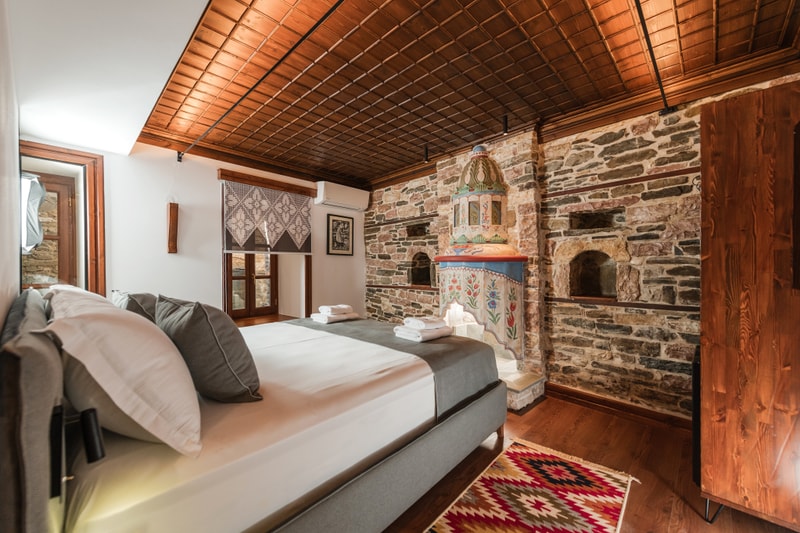
Where to stay: Tucked beneath Gjirokastër Castle, DAM Stone Boutique Hotel is a lovingly restored family home dating back to the 1820s. With double rooms, and a suite for up to five guests, the hotel features traditional Ottoman-era architecture and private terraces with breathtaking views over Gjirokastër’s stone rooftops and surrounding Gjere mountains. Within easy walking distance of the town center and Gjirokastër's main historic attractions, travelers can unwind in the hotel’s courtyard garden after a day exploring on foot.
Hahoe Village, South Korea
One of the most famous folk villages in South Korea, Hahoe Village in Gyeongsangbuk-do province was founded in the 14th-15th centuries by the influential aristocratic Pungsan Ryu clan from the Joseon Dynasty (rulers of Korea from 1392-1910). Remarkably, their descendants still live in the town today. Gaining UNESCO status for being one of the most well-preserved historic clan villages in the Republic of Korea, Hahoe is designed in the shape of a lotus flower using traditional pungsu (Korean feng shui) principles. Today, it remains a fully functioning community with preserved Joseon Dynasty architecture, most notably more than 100 traditional curved, clay-tiled roofed mansions (hanoks) built mainly with wood, clay and stone to withstand Korea’s extreme hot summers and cold winters. In the evening visitors can witness the lights from the village reflect across the water or climb nearby Buyongdae Cliff for panoramic views of the village. Between sightseeing and watching a centuries-old Hahoe Byeolsingut Talnori mask dance, a satirical performance once used to poke fun at aristocracy, it’s worth stopping by one of the village eateries for regional delicacies like Andong jjimdak (Korean braised chicken) or salted mackerel.
Where to stay: For a true taste of hanok living, the Rakkojae Hahoe Hanok Hotel comprises a main complex and four traditional Korean houses with hanok style rooms that blend the timeless charm of old Korea with contemporary luxury. Featuring ensuite bathrooms and traditional Korean floor mattresses, guests can relax in the hotel’s wood-fired natural mud sauna, take in views of the surrounding Nakdong river from a private terrace and wake each day to a traditional Korean breakfast, such as stews and rice.
Luang Prabang, Laos
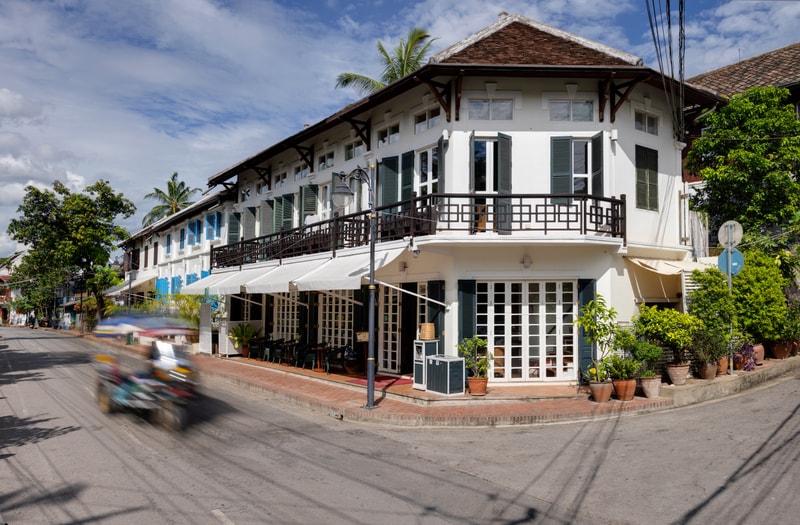
Surrounded by jungle-covered mountains at the meeting point of the Mekong and Nam Khan rivers, Luang Prabang is considered Laos’ heartland of Buddhism. It’s home to more than 30 of the country’s most revered and beautiful Buddhist temples or ‘wats’ with stunning golden spires and handpainted murals. Each day, visitors can hear the peaceful sound of chanting monks as they walk past the temples and down the streets in single file for Tak Bat, a centuries-old ritual where residents kneel and offer them rice as they pass. While the town is UNESCO listed for its beautifully preserved fusion of traditional Lao structures and European buildings from the 19th and 20th centuries, its cascading waterfalls, stunning vistas and surrounding, lush green jungle also make Luang Prabang a nature-lover’s paradise. Those up for a challenge can climb the 300-plus steps of Mount Phousia, a 100-meter high mountain in the town center, for stunning sunset views over the Mekong and Nam Khan. Visitors can also set foot in one of Laos’ most spectacular temples, the 16th-century Wat Xieng Thong, or join a boat tour upriver to the Pak Ou Caves filled with thousands of small Buddha statues left by generations of worshippers.
Where to stay: The Belle Rive Boutique Hotel, on the Mekong river’s edge, is spread across four elegant houses with luxury rooms, suites and maisonettes, all within walking distance of the old town's many temples. With river views and a mix of traditional Laos design, guests can use one of the hotel’s complimentary bicycles to explore the town by day before dining at its riverside terrace restaurant with stunning views of the sunset over the Mekong by night.
Taos, New Mexico, USA
A rare surviving example of pre-Hispanic architectural style unique to the region, Taos Pueblo lies just outside the modern town of Taos in northern New Mexico. Its unique sun-dried mud brick buildings, consisting of two structures called Hlauuma (North House) and Hlaukwima (South House) are made entirely of adobe (earth mixed with water and straw), with the main part of the buildings most likely built between 1000 and 1450 C.E., earning its UNESCO status. While community members live outside of the main village area, a small number are said to live in the buildings today without running water or electricity. Visitors can pay an admission fee to explore the village daily, though it closes for around 10 weeks in late winter and early spring. Guided walks led by Pueblo residents are a great way to learn all about the ancient site.
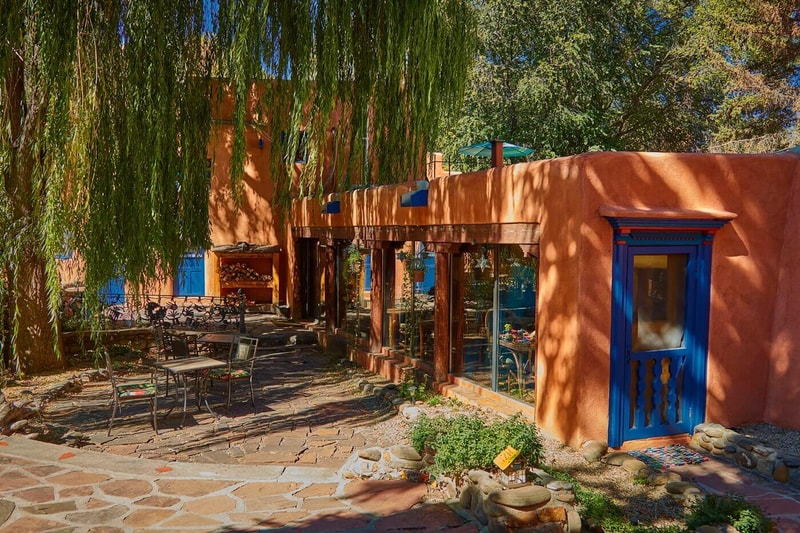
Where to stay: A short drive from Taos Pueblo itself, Adobe and Pines Inn Bed and Breakfast is a charming and luxurious restored 1830s adobe hacienda surrounded by picturesque orchards and gardens. With rooms and suites sleeping two-six people, guests will love exploring its natural setting, while private patios with outdoor fire pits offer magnificent views of New Mexico's famously wide skies at night.
Colonia del Sacramento, Uruguay
Often described as Uruguay's prettiest city for its winding cobblestone streets and mix of Portuguese and Spanish inspired buildings with thick stone walls and terracotta roof tiles, Colonia del Sacramento is one of the country’s oldest towns. The UNESCO listed Historical Quarter at the heart of the town retains its original 17th-century features and visitors will find one of Colonia del Sacramento’s main historical attractions - an 18th-century historic city gate and wooden drawbridge known as Portón de Campo built to protect the Portuguese settlement from Spanish invasions. A short walk away, a 19th-century lighthouse, built atop the ruins of the 17th-century Saint Francis Xavier convent, one of the oldest structures in the region, offers panoramic views of the town. A local sightseeing tour is a great way to learn all about the town’s long history, exploring the Historic Quarter and lighthouse and even stopping at the region's famous jam factory to try a selection of artisanal jams crafted from unique local flavours such as pumpkin and even onion.
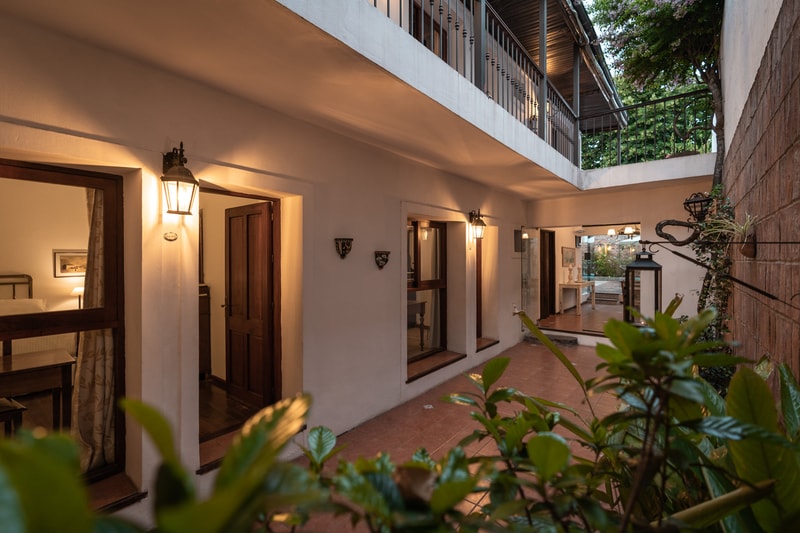
Where to stay: The adults-only Posada Manuel Lobo is a charming hotel located in the heart of Colonia del Sacramento, just one block from the town’s Historic Quarter. With 10 suites from classic to superior, a garden courtyard, cafe and bar serving cocktails and Uruguayan wines, the hotel is a perfect starting point for exploring all the historical town has to offer.
*Travel Trends 2026 research commissioned by Booking.com and independently conducted among a sample of adults who had taken a leisure trip in the last 12 months with an overnight stay and plan to travel in 2026. The sample comprised 32,800 respondents across 34 markets, surveyed in January 2026.